
Clergy
HIS GRACE LAMBERT BAINOMUGISHA ARCHBISHOP OF MBARAR CALLS FOR GREATER SUPPORT FOR AMDEF AS RWENYAGA DINEARY RAISES Shs105 Million.

Uganda-Mbarara Rwampara District Rwenyaga Parish, on Saturday, August 29, 2026: Thousands of lay faithful, priests, and religious men and women from Rwenyaga and surrounding catholic parishes gathered at Rwenyaga Parish for the Archbishop’s annual appeal fund in support of the Archdiocese of Mbarara Development Foundation (AMDEF).
BY Sr. Stella Watsema OLGC
The celebration began with the holy eucharist presided over by His Grace Lambert Bainomugisha, Archbishop of Mbarara, who was joined by priests serving in Rwampara district and the surrounding catholic parishes.
What is AMDEF?
AMDEF is a strategic fundraising and investment initiative of the Archdiocese of Mbarara. It was officially launched in 2025 by Archbishop Lambert Bainomugisha.

The initiative aims to help the Archdiocese of Mbarara raise and invest its own resources so that it can reduce its dependence on donations. Funds raised through AMDEF are expected to support development of the archdiocese and its institutions, Support schools and higher educational institutions of learning, Improvement of healthcare facilities, Support for agriculture, including plans to provide coffee seedlings to catechist, Development of a community SACCO aimed at improving the financial wellbeing of Christians in the Archdiocese and many others. The SACCO is intended to provide accessible and affordable financial services, encourage saving, support small businesses, and help families improve their incomes.
He appreciated the faithful for their commitment to supporting the development of the catholic Church and prayed for God's blessings upon them. The archbishop also spoke about the important role of parents in caring for and raising their children. He thanked parents for their efforts and reminded them that the wellbeing of families depends greatly on the care and support parents provide to their children.
Archbishop thanks faithful for their support

In his homily, Archbishop Bainomugisha thanked the people of Rwampara District for organizing the AMDEF gathering at Rwenyaga Parish.
The AMDEF Chairperson, Eng. Dr. Silver Mugisha, thanked Rwenyaga Deanery for working with the Archdiocese in mobilizing resources. He said the deanery was part of the effort that contributed to the Shs3 billion already collected and placed in the AMDEF common fund in 2025. He appealed to Christians and other well-wishers to continue supporting the project so that it can be completed.
Christians introduced to the AMDEF SACCO
Dr. Mugisha also explained the Archdiocese's SACCO initiative, which is intended to strengthen the financial wellbeing of Christians. He explained how members will access SACCO's services and encouraged the faithful to make use of the financial opportunities it will provide. The SACCO is expected to promote a culture of saving, support entrepreneurship, and help improve household incomes across the archdiocese.
Shs105 million raised at Rwenyaga
At the AMDEF gathering, the guest of Honor, Hon. Ngabirano, Member of Parliament, made his annual contribution of Shs5 million. By the end of the function, the faithful had contributed a total of Shs105 million in cash towards AMDEF. Hon. Ngabirano also pledged to support efforts to provide clean and safe water to people in the area.

Why the gathering matters
The AMDEF campaign is intended to create a stronger financial foundation for the Archdiocese of Mbarara. By raising and investing its own resources, the archdiocese hopes to support its long-term development and continue serving Christians through education, healthcare, agriculture and other community programmes. The Rwenyaga gathering was therefore both a fundraising event and an opportunity for Church leaders and the faithful to discuss how they can work together to strengthen the future of the Archdiocese
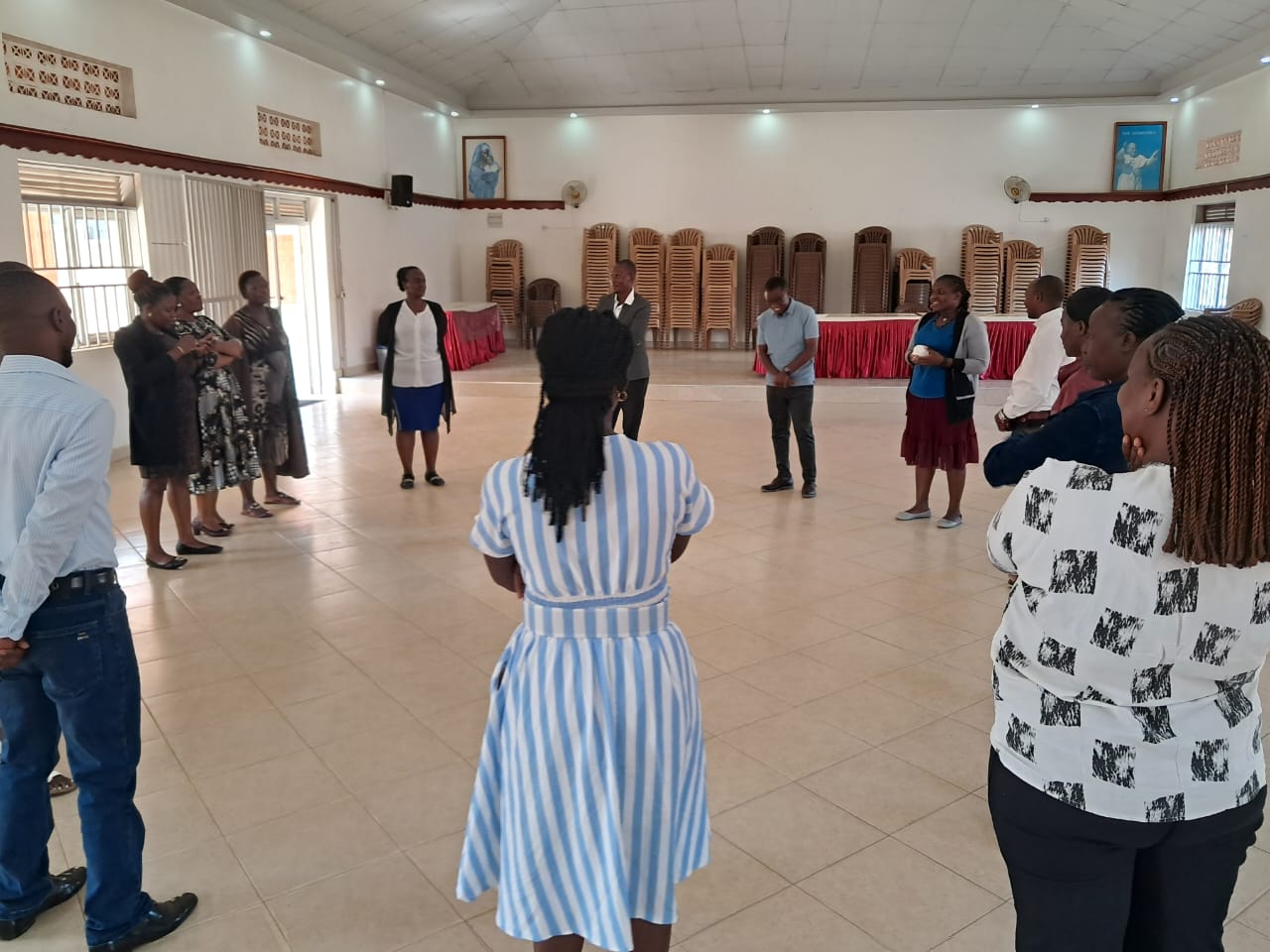
Mbarara, Uganda August 24, 2026, a new HIV prevention drug administered by injection once every six months is set to be introduced at selected health facilities in Western Uganda, offering people at risk of HIV infection another option for preventing the virus.
By Sr. Stella Watsema OLGC
Health workers from six selected health facilities are currently undergoing a five day training in Mbarara at Bishop Kakubi memorial hall to prepare them for the rollout of Lenacapavir, a new HIV prevention option under Pre-Exposure Prophylaxis (PrEP) services.
The training is being conducted by the Uganda Catholic Medical Bureau (UCMB) a health department at the Uganda Episcopal Conference (UEC) in collaboration with the Ministry of Health, with support from FHI.
According to Nyakato Jennifer, an HIV prevention officer and coordinator of PrEP services at UCMB, the training is equipping health workers with the knowledge and skills needed to provide Lenacapavir and other HIV prevention services in the selected health facilities in the region.
What is Lenacapavir?
Lenacapavir is a long-acting injectable PrEP option designed to help prevent HIV infection among people who are HIV-negative and at risk of acquiring the virus. Unlike daily oral PrEP, Lenacapavir is administered once every six months, potentially making it a convenient option for people who may find it difficult to take HIV prevention pills every day.
PrEP, or pre-exposure prophylaxis, refers to medicines taken by people who are HIV-negative to reduce their risk of acquiring HIV. The training is also covering other PrEP options and cabotegravir, another injectable PrEP option administered every two months.
Where will the service be introduced?
The training is targeting health workers from facilities serving communities in the Kigezi and Ankole regions. Among the selected facilities are Mtorere in Kisoro district, St. Daniel Camboni in Bushenyi district, Kyabirukwa in Isinjiro district and Rushoka in Ntungamo district, among others. The health workers are being trained ahead of the next phase of implementation, which is expected to begin in November 2026.
Who could benefit from Lenacapavir?
According to Jennifer, the new HIV prevention option could particularly benefit populations at increased risk of HIV infection.
These include serodiscordant couples, where one partner is HIV-positive and the other is HIV-negative. PrEP can help protect the HIV-negative partner and reduce the risk of HIV transmission within families. Other groups that could benefit include fisherfolk, long-distance truck drivers, adolescent girls and young women, as well as other populations considered to be at increased risk of HIV infection.
Health workers will also educate communities about the different PrEP options, allowing clients to choose a prevention method that best suits their needs and circumstances.
Why is the new HIV prevention option important?
The rollout comes amid continued concern over HIV infections in parts of Western Uganda, where HIV prevalence in some districts remains higher than the national average.
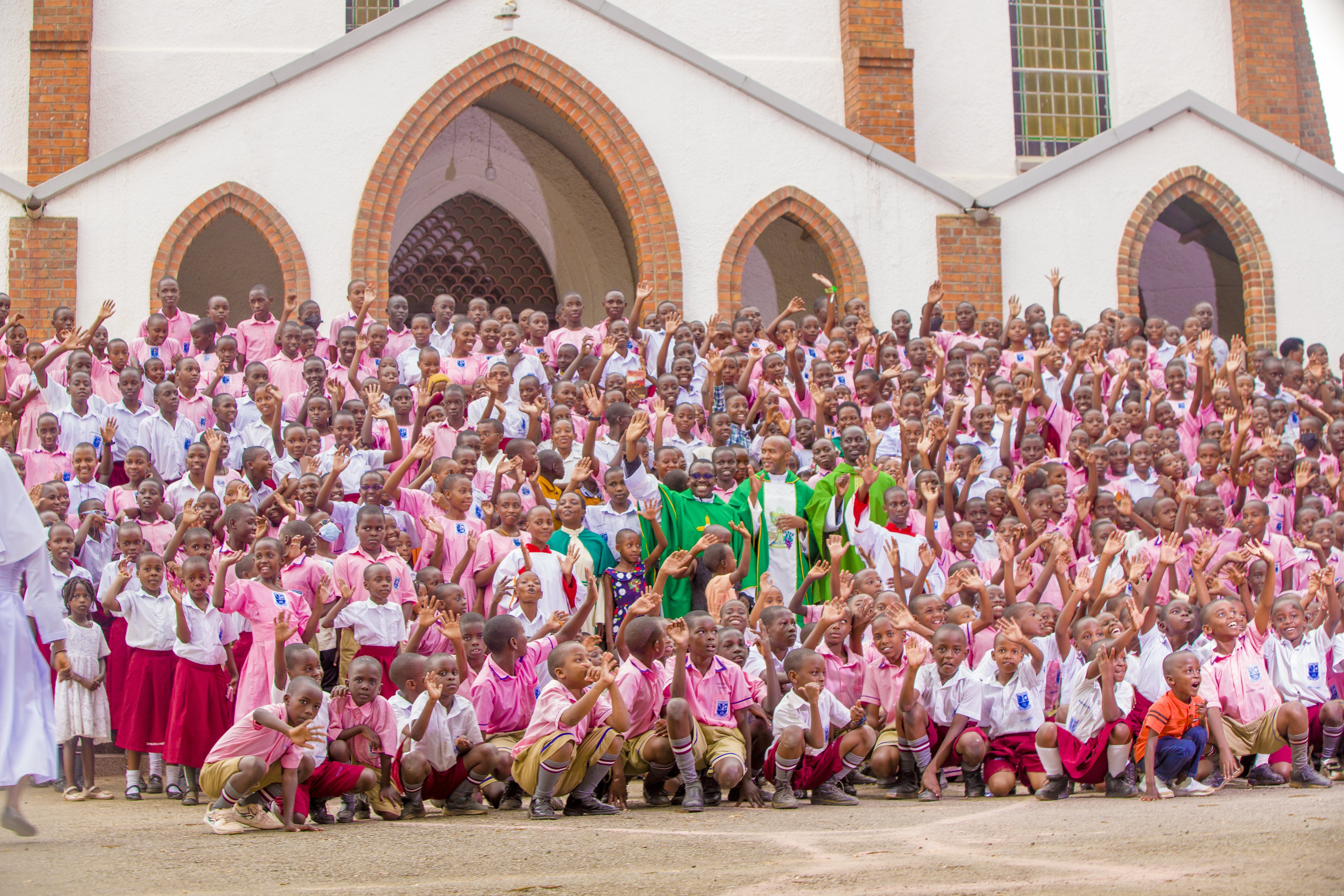
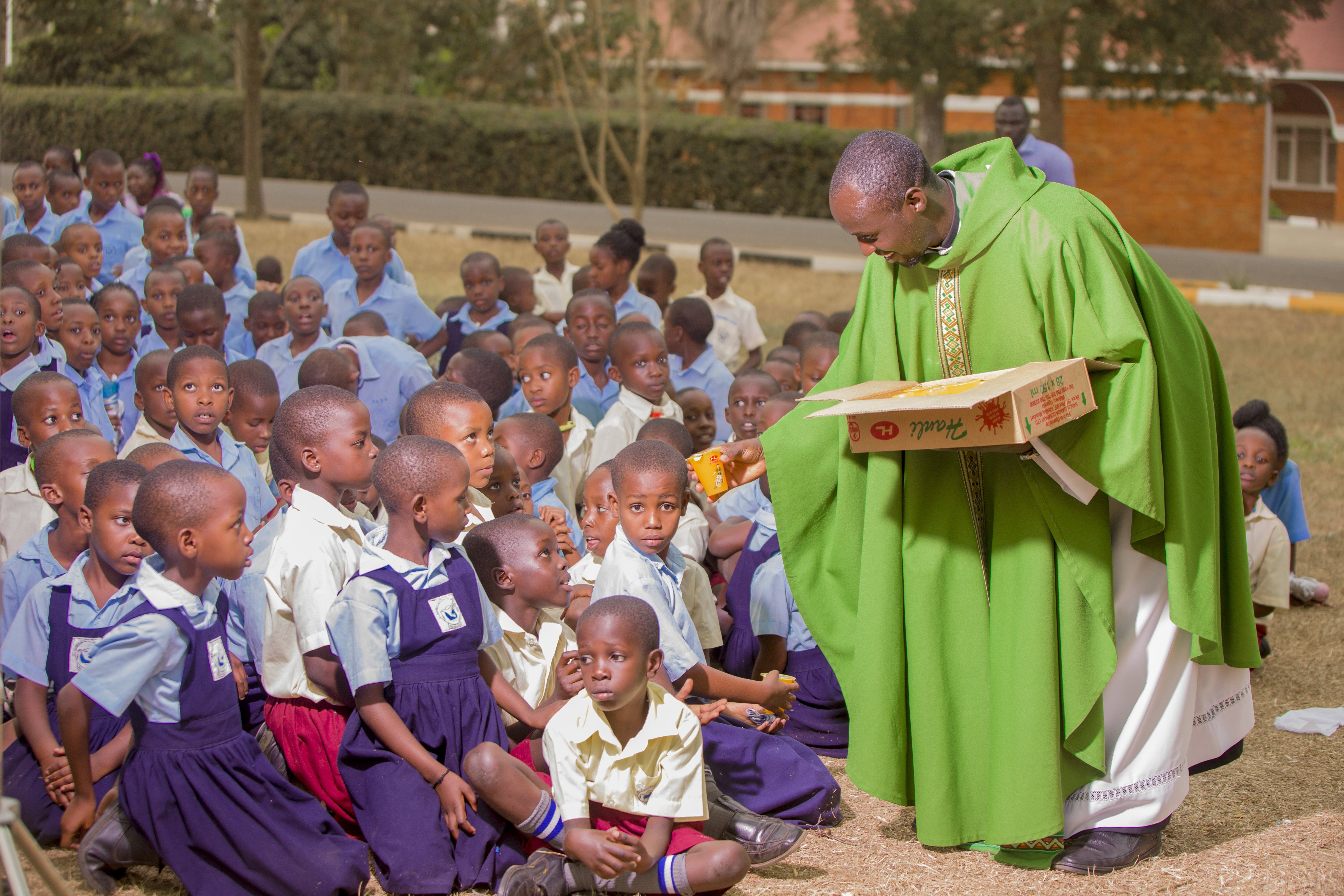
On 12 July 2026, children from schools around Nyamitanga Hill gathered at Nyamitanga Cathedral to celebrate Holy Childhood Sunday. The celebration began with the Holy Mass, bringing together children, teachers, and faithful to thank God and pray for children throughout the world.
After Mass, the children joyfully marked the occasion with a cake-cutting ceremony alongside the Priests' Youth Chaplain. The celebration reminded the children of their mission to pray for one another, share with those in need, and witness Christ's love through kindness, generosity, and good example in their daily lives.
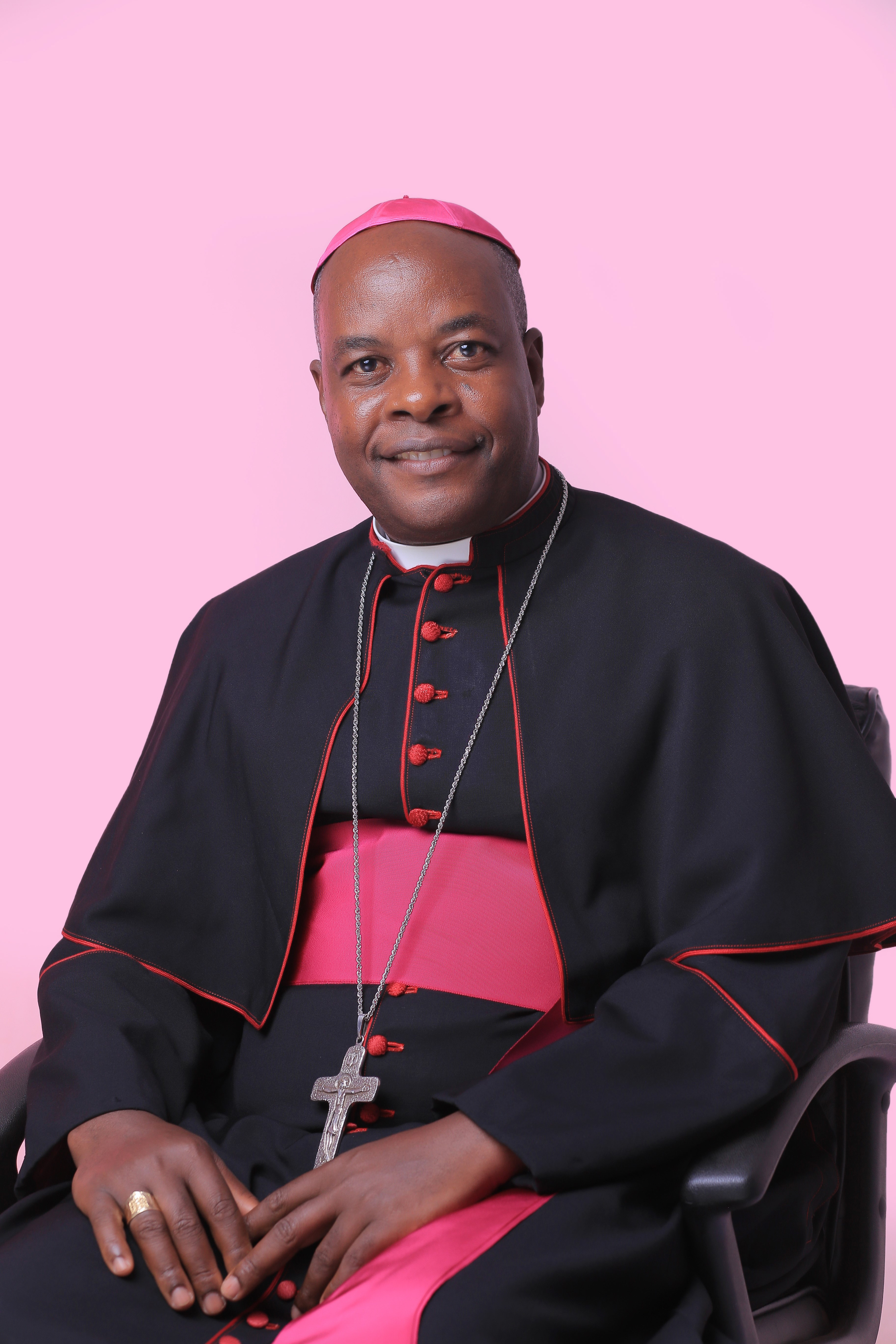
Archbishop Lambert Bainomugisha was born on 12 July 1961 in Kashumba, Isingiro District. He is the second of eight children, four of whom are still living. His parents were Joseph Mugyenyi (late) and Maltida Kahwa.
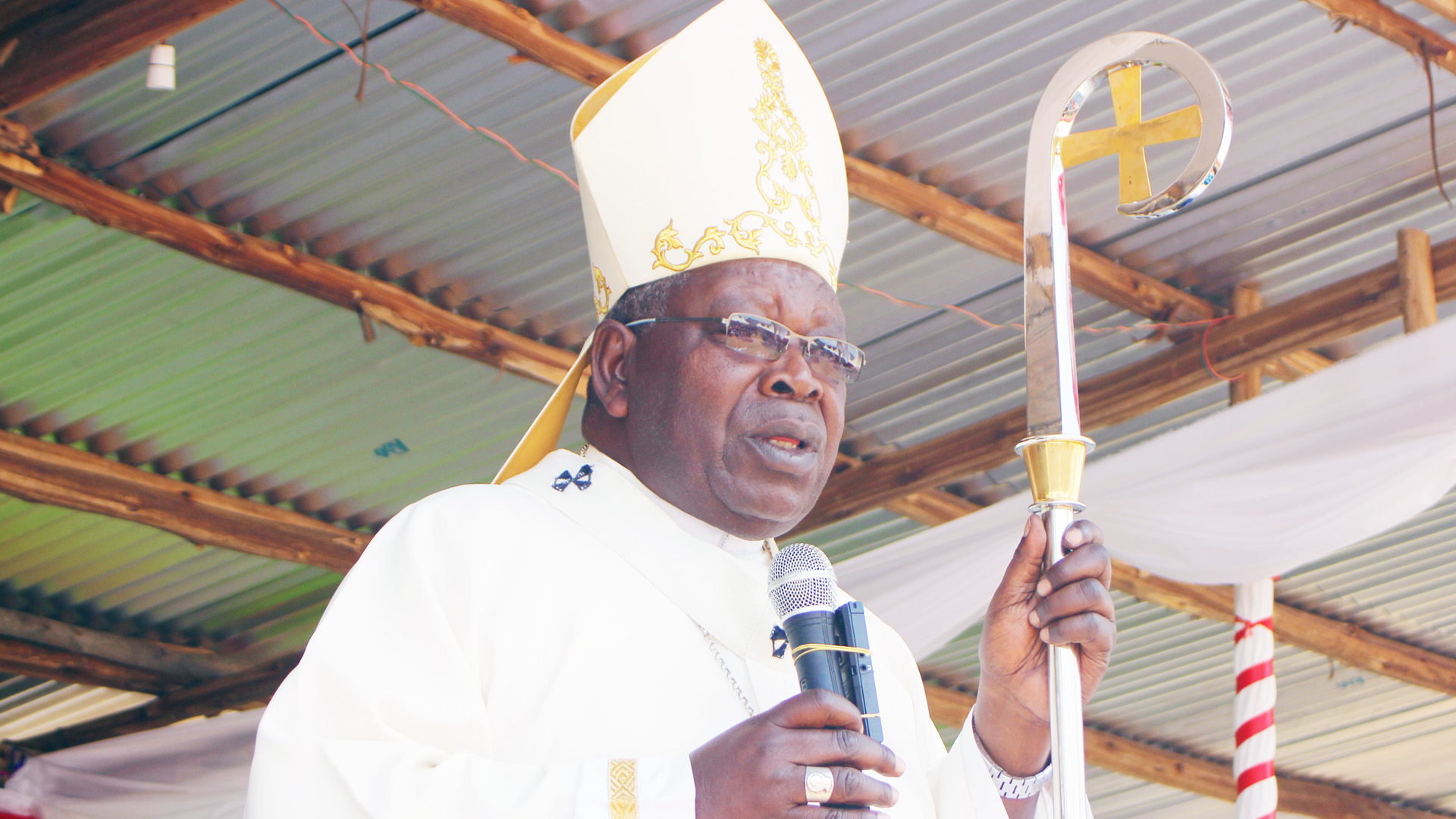
Archbishop Emeritus Paul Kamuza Bakyenga dedicated 50 years of his life to the priesthood, serving as a priest for 52 years and as a bishop for 34 years. He played a significant role in the establishment of the Archdiocese of Mbarara, becoming its first Archbishop in 1999.
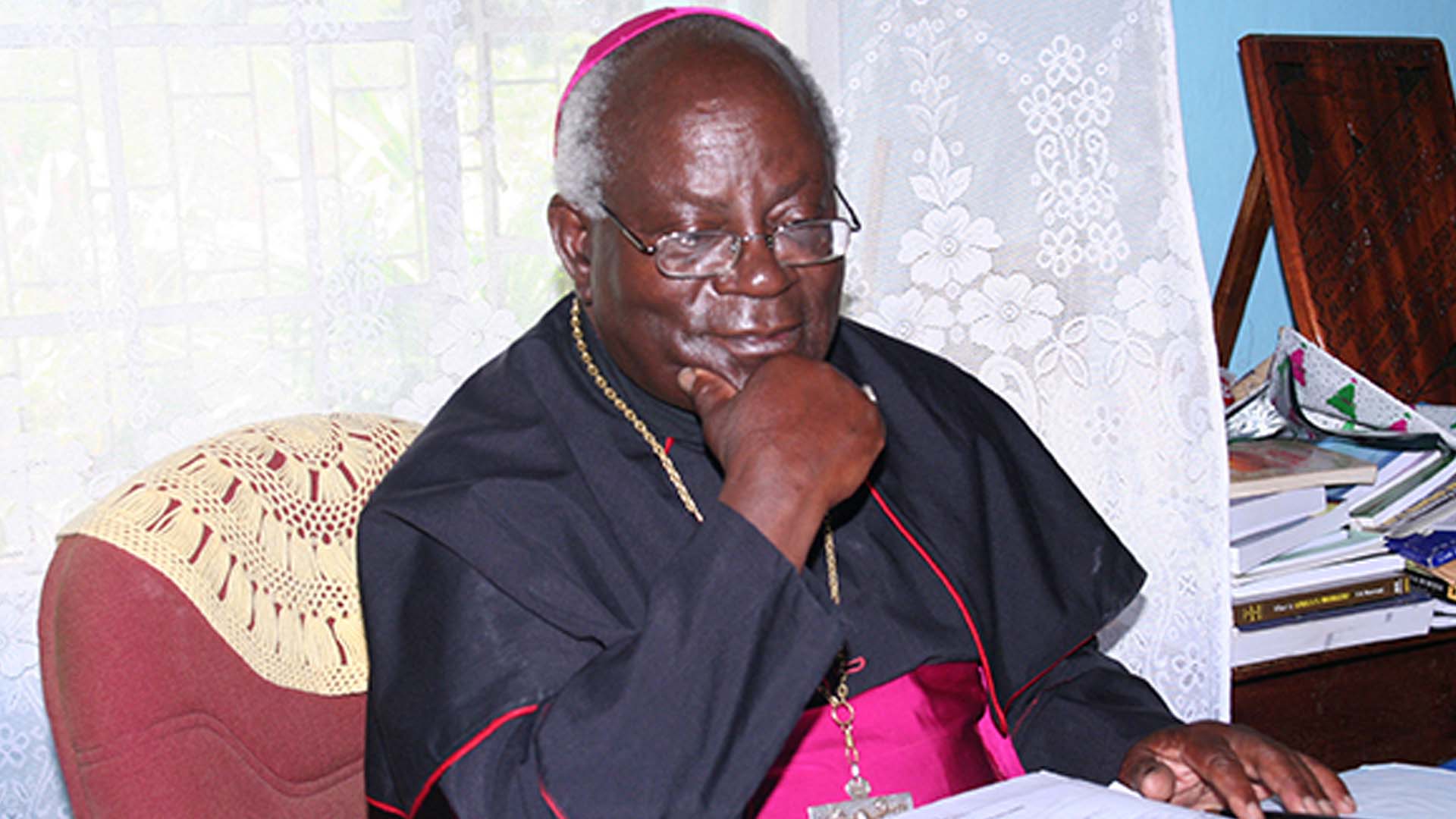
John Baptist Kakubi (September 23, 1929 – February 11, 2016) was a prominent Roman Catholic bishop who served as the first indigenous bishop of the Diocese of Mbarara, Uganda. He was ordained to the priesthood in 1960 and served as a bishop from 1969 until his retirement in 1991. Kakubi's legacy includes significant contributions to the spiritual and social development of the region.
Born on May 12, 1910, in Dunkerque, Diocese of Lille, France, Bishop Jean-Marie-Gaëtan Ogez was a dedicated member of the Missionaries of Africa, commonly known as the White Fathers. He was ordained as a priest on June 29, 1935, marking the beginning of a lifelong commitment to the Catholic Church and its mission.