
MOST REV. LAMBERT BAINOMUGISHA, ARCHBISHOP OF MBARARA CALLS FOR GREATER SUPPORT FOR AMDEF AS RWENYAGA DEANERY RAISES UGX 105 MILLION.

Uganda-Mbarara Rwampara District, Rwenyaga Parish, on Saturday, August 29, 2026: Thousands of lay faithful, priests, and religious men and women from Rwenyaga and surrounding catholic parishes gathered at Rwenyaga Parish for the Archbishop’s annual appeal fund in support of the Archdiocese of Mbarara Development Foundation (AMDEF).
By Sr. Stella Watsema OLGC
The celebration began with the Holy Eucharist presided over by His Grace Lambert Bainomugisha, Archbishop of Mbarara, who was joined by priests serving in Rwampara District and the surrounding catholic parishes.
What is AMDEF?
AMDEF is a strategic fundraising and investment initiative of the Archdiocese of Mbarara. It was officially launched in 2025 by Archbishop Lambert Bainomugisha.

The initiative aims to help the Archdiocese of Mbarara raise and invest its own resources so that it can reduce its dependence on donations. Funds raised through AMDEF are expected to support development of the archdiocese and its institutions, Support schools and higher educational institutions of learning, Improvement of healthcare facilities, Support for agriculture, including plans to provide coffee seedlings to catechist, Development of a community SACCO aimed at improving the financial wellbeing of Christians in the Archdiocese and many others. The SACCO is intended to provide accessible and affordable financial services, encourage saving, support small businesses, and help families improve their incomes.
He appreciated the faithful for their commitment to supporting the development of the catholic Church and prayed for God's blessings upon them. The archbishop also spoke about the important role of parents in caring for and raising their children. He thanked parents for their efforts and reminded them that the wellbeing of families depends greatly on the care and support parents provide to their children.
Archbishop thanks faithful for their support

In his homily, Archbishop Bainomugisha thanked the people of Rwampara District for organizing the AMDEF gathering at Rwenyaga Parish.
The AMDEF Chairperson, Eng. Dr. Silver Mugisha, thanked Rwenyaga Deanery for working with the Archdiocese in mobilizing resources. He said the deanery was part of the effort that contributed to the Shs3 billion already collected and placed in the AMDEF common fund in 2025. He appealed to Christians and other well-wishers to continue supporting the project so that it can be completed.
Christians introduced to the AMDEF SACCO
Dr. Mugisha also explained the Archdiocese's SACCO initiative, which is intended to strengthen the financial wellbeing of Christians. He explained how members will access SACCO's services and encouraged the faithful to make use of the financial opportunities it will provide. The SACCO is expected to promote a culture of saving, support entrepreneurship, and help improve household incomes across the archdiocese.
Ugx. 105 million raised at Rwenyaga
At the AMDEF gathering, the guest of Honor, Hon. Charles Ngabirano, Member of Parliament, made his annual contribution of Ugx 5 million. By the end of the function, the faithful had contributed a total of Ugx 105 million in cash towards AMDEF. Hon. Ngabirano also pledged to support efforts to provide clean and safe water to people in the area.

Why the gathering matters
The AMDEF campaign is intended to create a stronger financial foundation for the Archdiocese of Mbarara. By raising and investing its own resources, the archdiocese hopes to support its long-term development and continue serving Christians through education, healthcare, agriculture and other community programmes. The Rwenyaga gathering was therefore both a fundraising event and an opportunity for Church leaders and the faithful to discuss how they can work together to strengthen the future of the Archdiocese
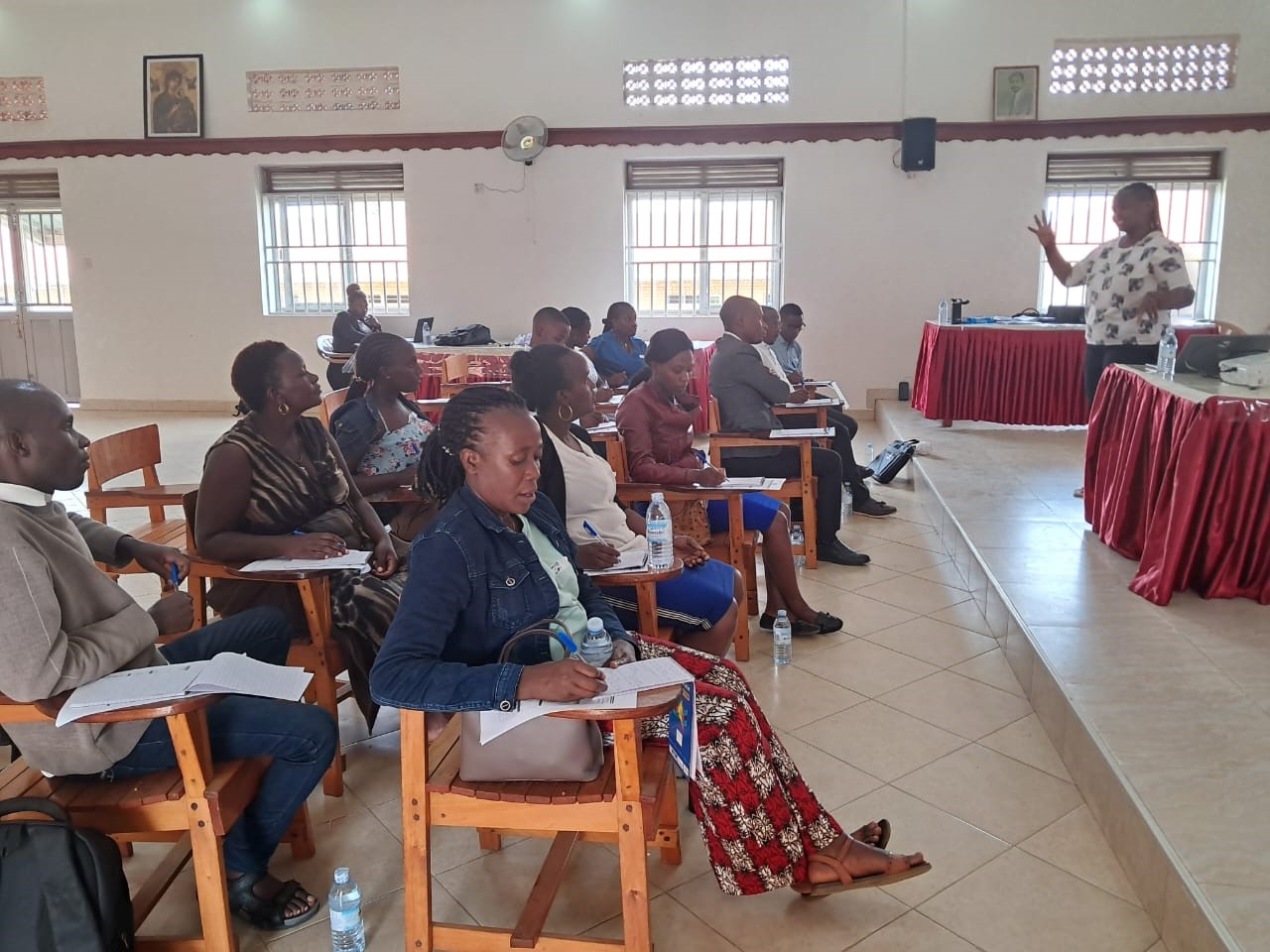
Mbarara, Uganda August 24, 2026, a new HIV prevention drug administered by injection once every six months is set to be introduced at selected health facilities in Western Uganda, offering people at risk of HIV infection another option for preventing the virus.
By Sr. Stella Watsema OLGC
Health workers from six selected health facilities are currently undergoing a five day training in Mbarara at Bishop Kakubi memorial hall to prepare them for the rollout of Lenacapavir, a new HIV prevention option under Pre-Exposure Prophylaxis (PrEP) services.
The training is being conducted by the Uganda Catholic Medical Bureau (UCMB) a health department at the Uganda Episcopal Conference (UEC) in collaboration with the Ministry of Health, with support from FHI.
According to Nyakato Jennifer, an HIV prevention officer and coordinator of PrEP services at UCMB, the training is equipping health workers with the knowledge and skills needed to provide Lenacapavir and other HIV prevention services in the selected health facilities in the region.
What is Lenacapavir?
Lenacapavir is a long-acting injectable PrEP option designed to help prevent HIV infection among people who are HIV-negative and at risk of acquiring the virus. Unlike daily oral PrEP, Lenacapavir is administered once every six months, potentially making it a convenient option for people who may find it difficult to take HIV prevention pills every day.
PrEP, or pre-exposure prophylaxis, refers to medicines taken by people who are HIV-negative to reduce their risk of acquiring HIV. The training is also covering other PrEP options and cabotegravir, another injectable PrEP option administered every two months.
Where will the service be introduced?
The training is targeting health workers from facilities serving communities in the Kigezi and Ankole regions. Among the selected facilities are Mtorere in Kisoro district, St. Daniel Camboni in Bushenyi district, Kyabirukwa in Isinjiro district and Rushoka in Ntungamo district, among others. The health workers are being trained ahead of the next phase of implementation, which is expected to begin in November 2026.
Who could benefit from Lenacapavir?
According to Jennifer, the new HIV prevention option could particularly benefit populations at increased risk of HIV infection.
These include serodiscordant couples, where one partner is HIV-positive and the other is HIV-negative. PrEP can help protect the HIV-negative partner and reduce the risk of HIV transmission within families. Other groups that could benefit include fisherfolk, long-distance truck drivers, adolescent girls and young women, as well as other populations considered to be at increased risk of HIV infection.
Health workers will also educate communities about the different PrEP options, allowing clients to choose a prevention method that best suits their needs and circumstances.
Why is the new HIV prevention option important?
The rollout comes amid continued concern over HIV infections in parts of Western Uganda, where HIV prevalence in some districts remains higher than the national average.
According to Jennifer, the Uganda AIDS Commission's 2024 report, said national HIV prevalence was estimated at about 4.9% to 5.1%, while some districts in Western Uganda recorded higher rates. She said that HIV prevalence of about 11% in Buhweju, 10% in Mbarara City, 8% to 9.4% in Bushenyi, and between 6% and 7% in several other districts.
She also said HIV prevalence remains higher among women than men, with women estimated at about 6.4% to 6.6%, compared with 3.3% to 3.4% among men. Health authorities are consequently encouraging greater male involvement in HIV testing, treatment and prevention. HIV services are also being taken closer to men through workplaces, markets, border points and other locations where men can easily access them.
Will clients pay for Lenacapavir?
Jennifer said clients will not be charged for Lenacapavir during the programme, as the medicine has been provided through donor support. She encouraged communities to embrace the new HIV prevention option and continue using available HIV prevention services.
The Ministry of Health is coordinating the training, providing technical guidance and overseeing the supply of HIV prevention commodities. Health officials hope that expanding access to a range of PrEP options, including long-acting injectable prevention, will give people greater choice and contribute to reducing new HIV infections in Uganda.
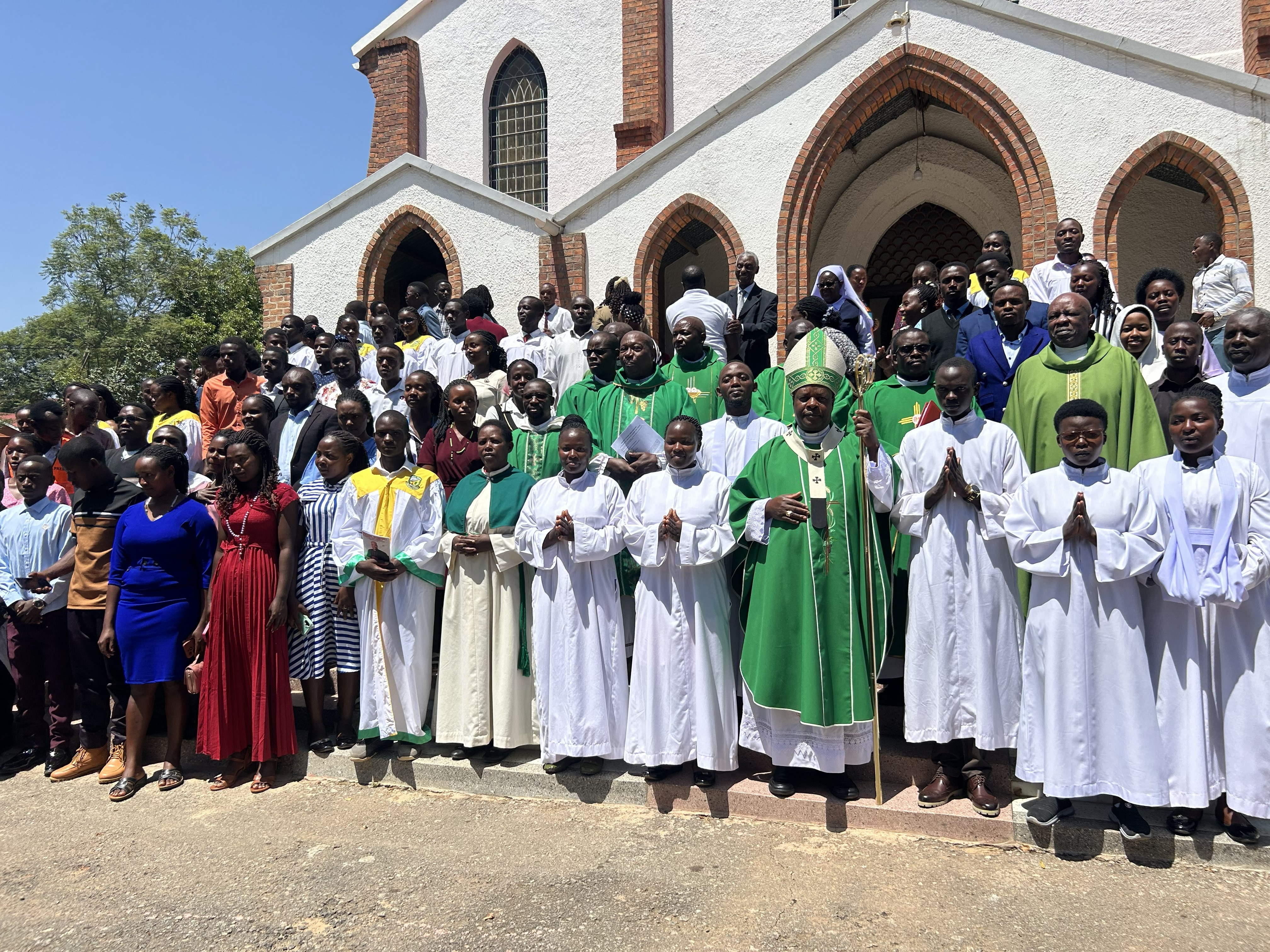
MBARARA, UGANDA, August 26, 2026: The Archbishop of the Archdiocese of Mbarara and Chancellor of Saint Joseph University Mbarara called on students to use their time at university wisely, uphold integrity and discipline, and pursue education as a means of transforming society.
By Sr. Stella Watsema OLGC
The Archbishop Lambert Bainomugisha made remarks on Wednesday, August 26, 2026, while presiding as the main celebrant at the inauguration Mass for the 2026/2027 academic year for University of Saint Joseph Mbarara.

His Grace Lambert Bainomugisha Archbishop of Mbarara and the Chancellor of University of Saint Joseph Mbarara together with first year students at Our Lady of Perpetual Help Cathedral Nyamitanga.
Education is a privilege and a right
In his homily, the Archbishop welcomed students to the new academic year and reminded them that education is both a right and a privilege. He noted that many parents and families make significant sacrifices to enable their children to access university education. He therefore urged students not to take the opportunity for granted.
“Do not waste your time,” he told the students, warning them against distractions that could jeopardise their future.
He specifically cautioned students against unnecessary business, bad company, alcohol and drug abuse, gambling, violence and other shortcuts that could undermine their academic and personal development. The Archbishop encouraged students to attend lectures, read seriously, think constructively and ask questions. He also urged them to respect university leaders, staff and fellow students and to use social media responsibly.
Education should build character
The Archbishop said university education should go beyond academic qualifications and should produce responsible people who can positively influence society.

He challenged students to become people of history, humanity and science, stressing the importance of humility and being “down to earth.”
According to him, true education should help students become realistic, responsible and compassionate members of society.
He also reminded lecturers and university staff that students learn not only from classroom teaching but also from the example set by their teachers and leaders.
He called for honesty, commitment, respect and patience in dealing with students and urged the university community to make the University of Saint Joseph Mbarara a place where every person is valued and responsibilities are carried out with love.
University should be a place of peace
Reflecting on the biblical message about peace, the Archbishop said the university should provide an environment where students and staff can learn and live peacefully.
He observed that young people today face anxiety, intense competition, economic difficulties and uncertainty about the future.
He therefore called for peace among students, between students and staff, in students’ homes and hostels, and within their hearts.
Students urged to avoid hypocrisy
The Archbishop also reflected on the Gospel reading in which Jesus warned against hypocrisy, comparing those who appear righteous outwardly but are corrupt within to “whitewashed tombs.”
He said the message was highly relevant to university life because it is possible for a student to appear successful while losing direction internally.
He explained that a student may dress smartly, speak excellent English, achieve high marks and post impressive pictures on social media, yet lack honesty, peace, respect for God and concern for others.
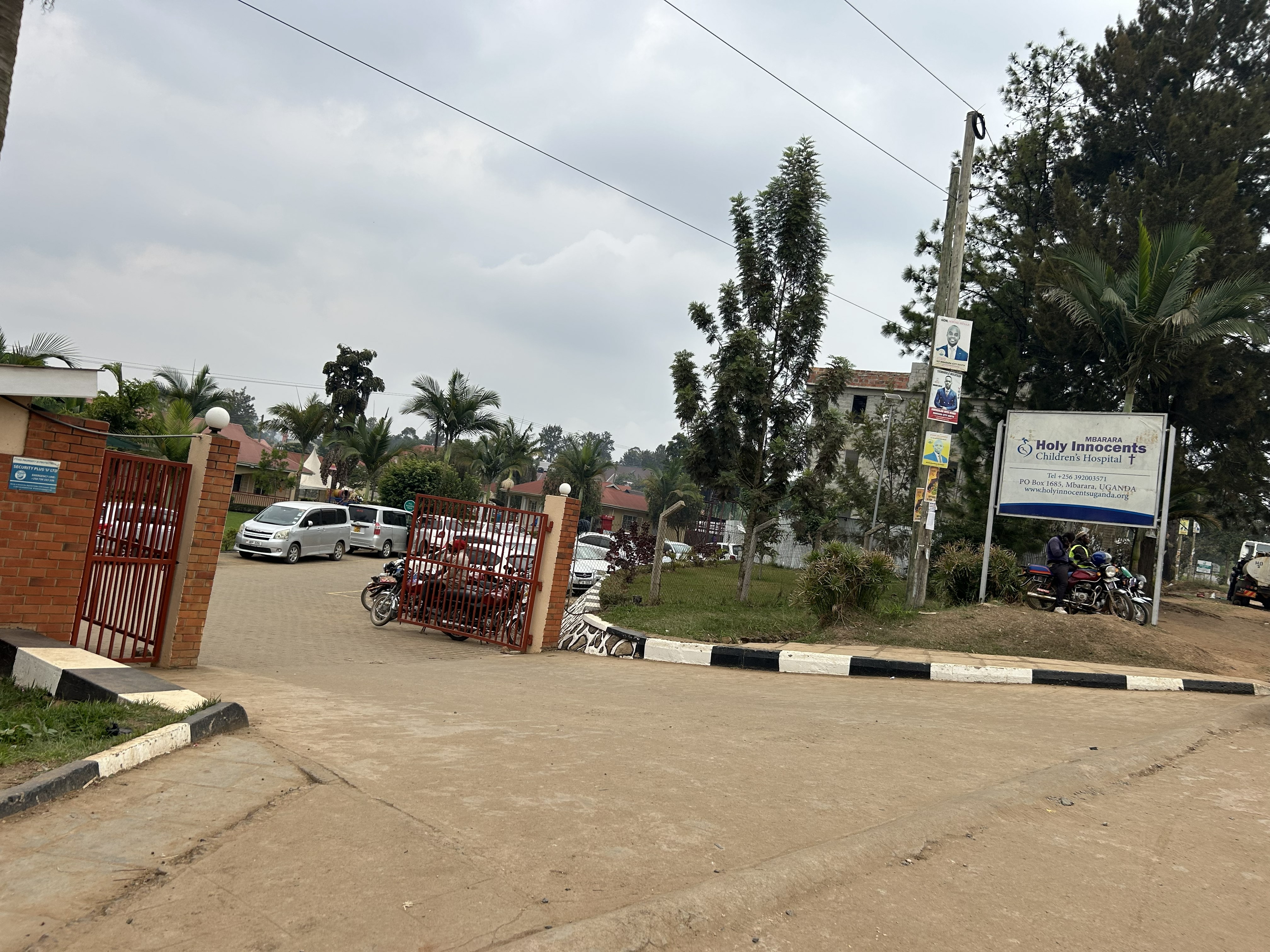
HOLY INNOCENTS CHILDREN’S HOSPITAL EXPANDS SERVICES TO MEET GROWING DEMAND FOR CHILDREN CARE
Mbarara, Uganda Holy Innocents Children’s Hospital has expanded its pediatric, neonatal and surgical services to meet the growing demand for specialized care for children in the region, according to the Director of Nursing, James Karugaba.
By Sr. Stella Watsema OLGC
The hospital, was established on July 4, 2009, by the Archdiocese of Mbarara with support from partners in San Diego and other supporters, was created primarily to reduce childhood deaths caused by malaria.

Mr. James Karugaba Director of Nursing at Holy Innocents Children Hospital Mbarara
Mr. Karugaba said the hospital has grown significantly since its establishment. It started with three wards but now has about five wards and provides services ranging from general pediatric care to surgery, neonatal intensive care and pediatric intensive care. Since it was opened, the hospital has treated and supported more than 400,000 children.
Growing newborn care services
According to Mr. Karugaba, the hospital began expanding its newborn services in 2013 and 2014 after identifying a growing need for specialized care for newborns, particularly because access to oxygen was limited in the region.
What was began as a four bed newborn unit has grown into a 20 bed unit, which Mr. Karugaba described as one of the leading newborn care facilities in the country. The hospital also opened its first operating theatre in 2018, allowing it to provide surgical care in addition to general pediatric medical services.

Children Ward at Holy Innocents Children Hospital Mbarara
In 2022, it established a neonatal intensive care unit (NICU), followed by a pediatric intensive care unit (PICU) in 2024. In early 2026, the hospital further expanded its surgical services by introducing neurosurgery. Mr. Karugaba said more than 23 children with neurosurgical conditions have since undergone operations. An additional 15 children with neurological conditions, including brain tumours, were operated on during a recent surgical camp.
Free clinics support children with chronic illnesses
The hospital also provides public health and community services, including immunisation, disease prevention, health education, home-based services and school health programmes. Its curative services cover both acute and chronic illnesses. The hospital runs an HIV clinic throughout the week and a children's diabetes clinic every Friday.
Karugaba said the diabetes clinic currently follows about 80 children, making it the largest such clinic in the region. The children, aged from about three years to 18 and above, receive free insulin, medication, medical tests and follow-up care. The hospital also operates a young child clinic every Wednesday to monitor premature babies after they leave the newborn unit.
A separate chronic care clinic follows children with conditions such as asthma and sickle cell disease.
Pneumonia remains a leading cause of admission
Karugaba said pneumonia is the leading cause of admission among children receiving acute medical care at the hospital, followed by malaria and diarrhoea diseases. Among newborns, major causes of admission include neonatal sepsis, birth asphyxia and prematurity. He said some of these conditions can be prevented or reduced through stronger newborn and maternal health services.
Hospital operating at full capacity
The rapid growth in services has increased pressure on the hospital's existing facilities. Karugaba said the hospital is frequently operating at full capacity, particularly because of the increasing demand for newborn and surgical care.
To address the problem, the hospital is developing a new three-storey building with a capacity of about 76 beds. The new structure will accommodate expanded newborn care, neurosurgery, ear, nose and throat (ENT) surgery and other general services.

A three storey building with a capacity of about 76 beds structure under construction at Holy Innocents Children Hospital in Mbarara.
Hospital produces its own oxygen
Holy Innocents Children’s Hospital also produces medical oxygen on site. Karugaba said the hospital began producing oxygen in 2014 and now operates a commercial oxygen plant capable of producing about 55 cylinders a day, which he said is more than the hospital normally consumes.
The hospital uses about 96 to 150 cylinders a month, depending on demand, and sells surplus oxygen to other health facilities, particularly within the region. The hospital also uses a piped oxygen system connected to a central manifold, which helps reduce the need for individual cylinders at patients' bedsides
Ambulances support emergency response
The hospital has three ambulances two provided through Humanitarian Help for Uganda and one from the Government of Uganda. Karugaba said the ambulances responds to maternal, newborn and child health emergencies, as well as road crashes and other emergencies.

Ambulances for emergency response at the Hospital parking yard
Mothers and babies kept together
The hospital's newborn unit uses a zero separation model, which allows mothers and their newborn babies to remain together during treatment. Karugaba said the arrangement promotes bonding and can support the recovery of sick newborns. When a mother is critically ill after delivery, the hospital first stabilises the newborn. Once the mother recovers, she is reunited with the baby in the newborn unit.
Calls for a maternity unit
Although the hospital's main focus remains pediatric care, Karugaba said members of the public have called for the establishment of a maternity unit where mothers can receive care during childbirth. He said the idea is being considered as part of the hospital's long term vision of becoming a regional center of excellence in pediatric care.
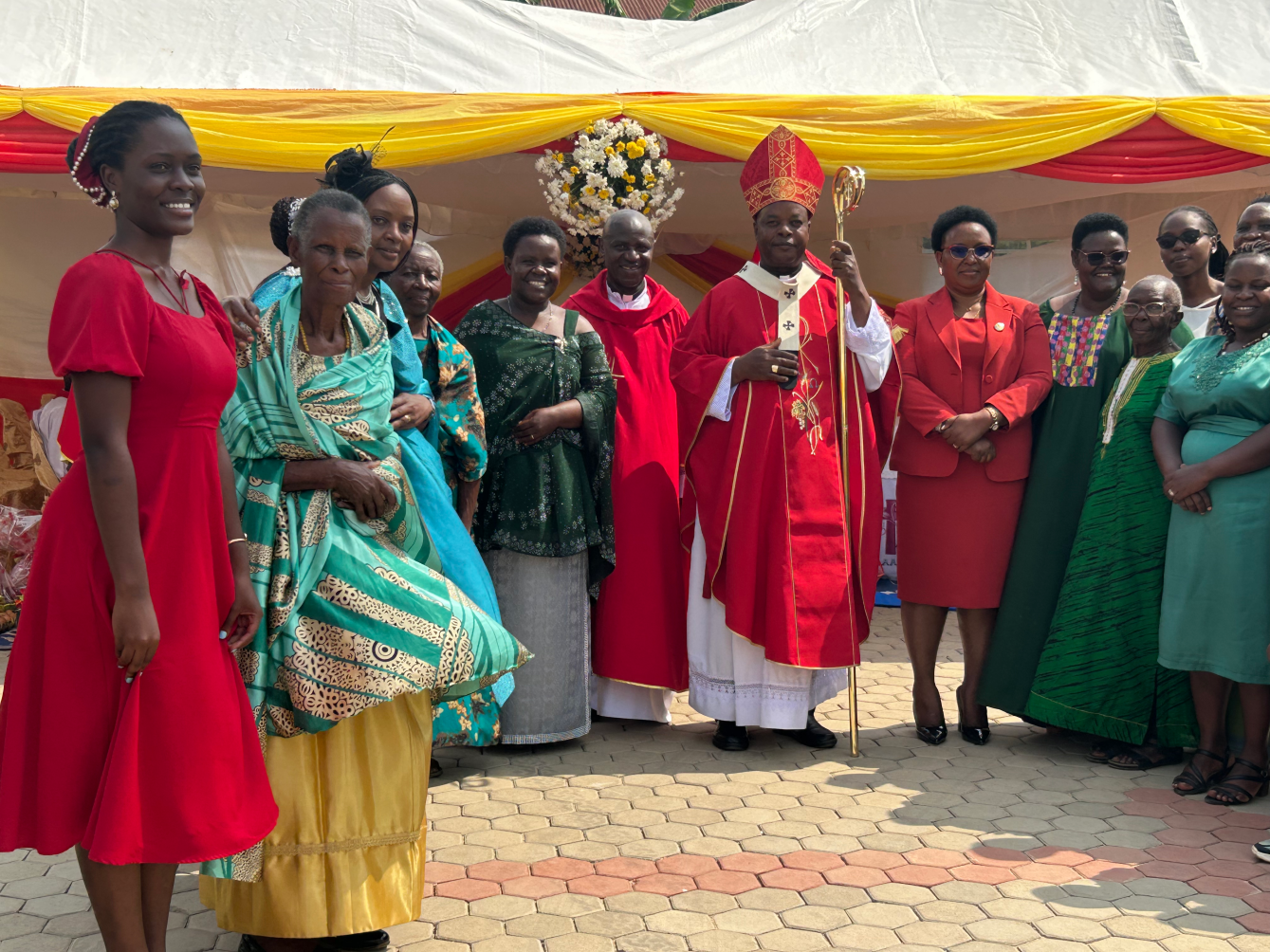
On Tuesday, August 18, 2026 Rt. Rev. Lambert Bainomugisha, Archbishop of the Archdiocese of Mbarara, confirmed 80 pupils at St. Helen’s Primary School. The event was attended by priests, religious men and women, Hon. Kalisa, MP for Ibanda, old girls, parents, and the school community.
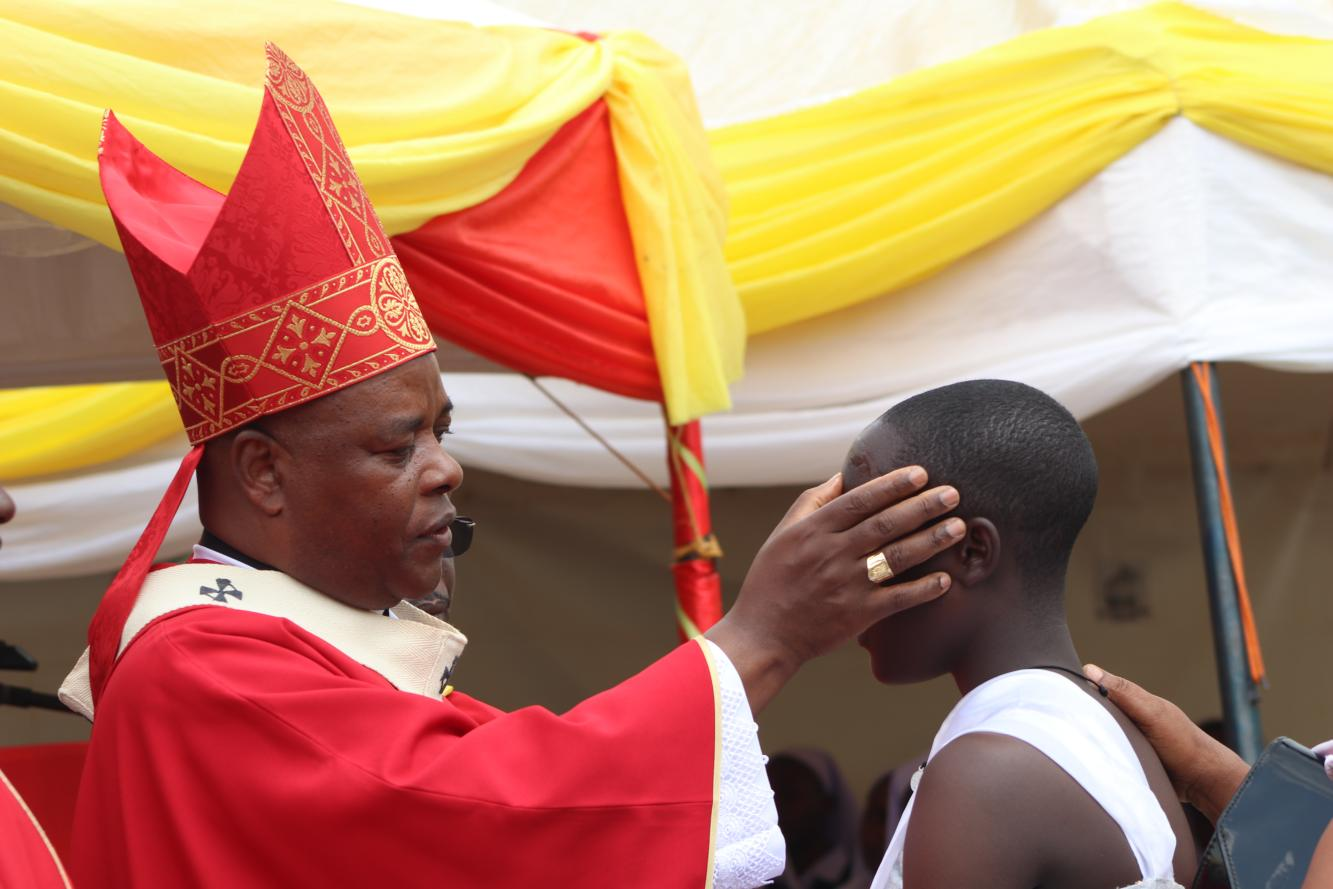
Archbishop Lambert Bainomugisha confirms 80 pupils at St. Helens primary School at Nyamitanga Archdiocese of Mbarara.
Archbishop Bainomugisha first blessed the school hall before presiding over the Confirmation Mass where 80 pupils received the Sacrament of Confirmation. The ceremony coincided with St. Helen’s Primary School Feast Day and a celebration of academic and co-curricular achievements. St. Helen’s Primary School, a Catholic-founded school in Mbarara known for educating the girl child and visually impaired children under the guidance of the Sisters of Our Lady of Good Counsel of Mbarara.
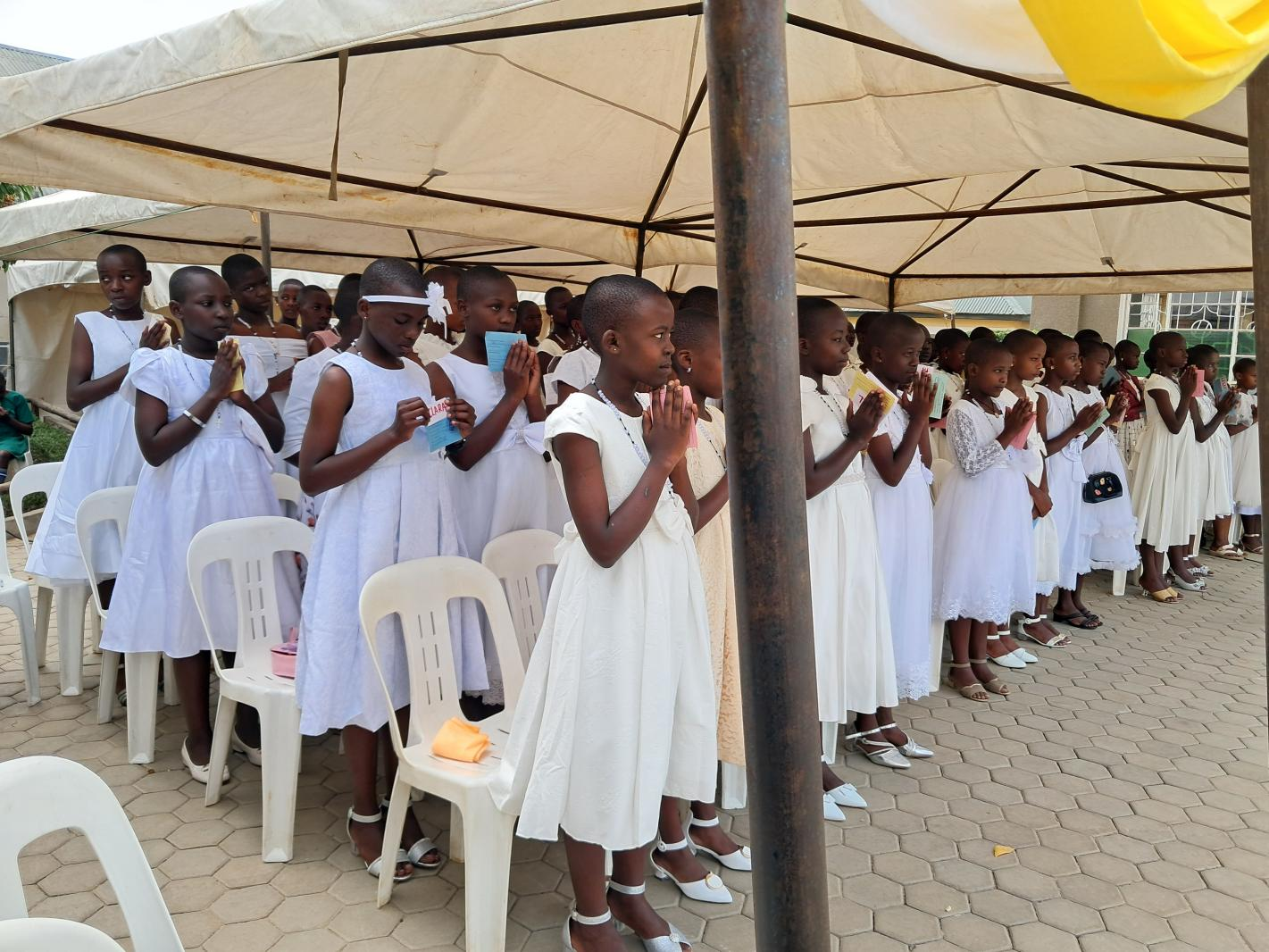
Archbishop anointed the pupils with the Holy oils and prayed for them for the seven gifts of the Spirit and after commissioned them as apostles of Christ. The Archbishop said after the anointing with holy oils, sends the newly confirmed to “preach the good news wherever they will be, in their own way. During his homily, Archbishop Bainomugisha urged them to evangelize through their daily lives, words, and actions, reflecting the fruits of the Holy Spirit they have received. In Galatians 5: people will know you by love, joy, peace, patience, kindness, faithfulness, gentleness, and self-control. “That is how the world will know you belong to Jesus Christ,” he said.
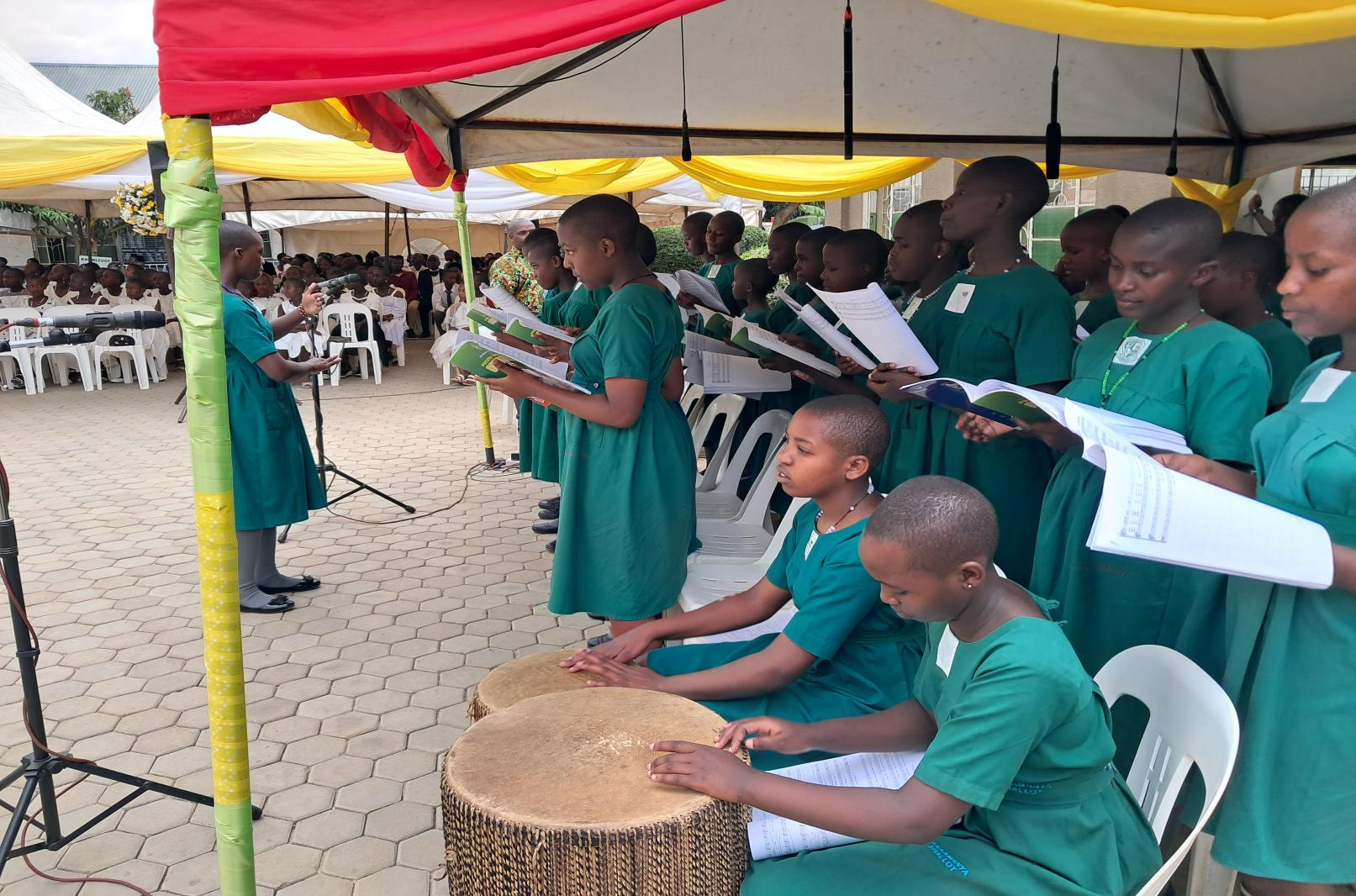
The school choir St. Helens primary school animating confirmation Mass at the school.
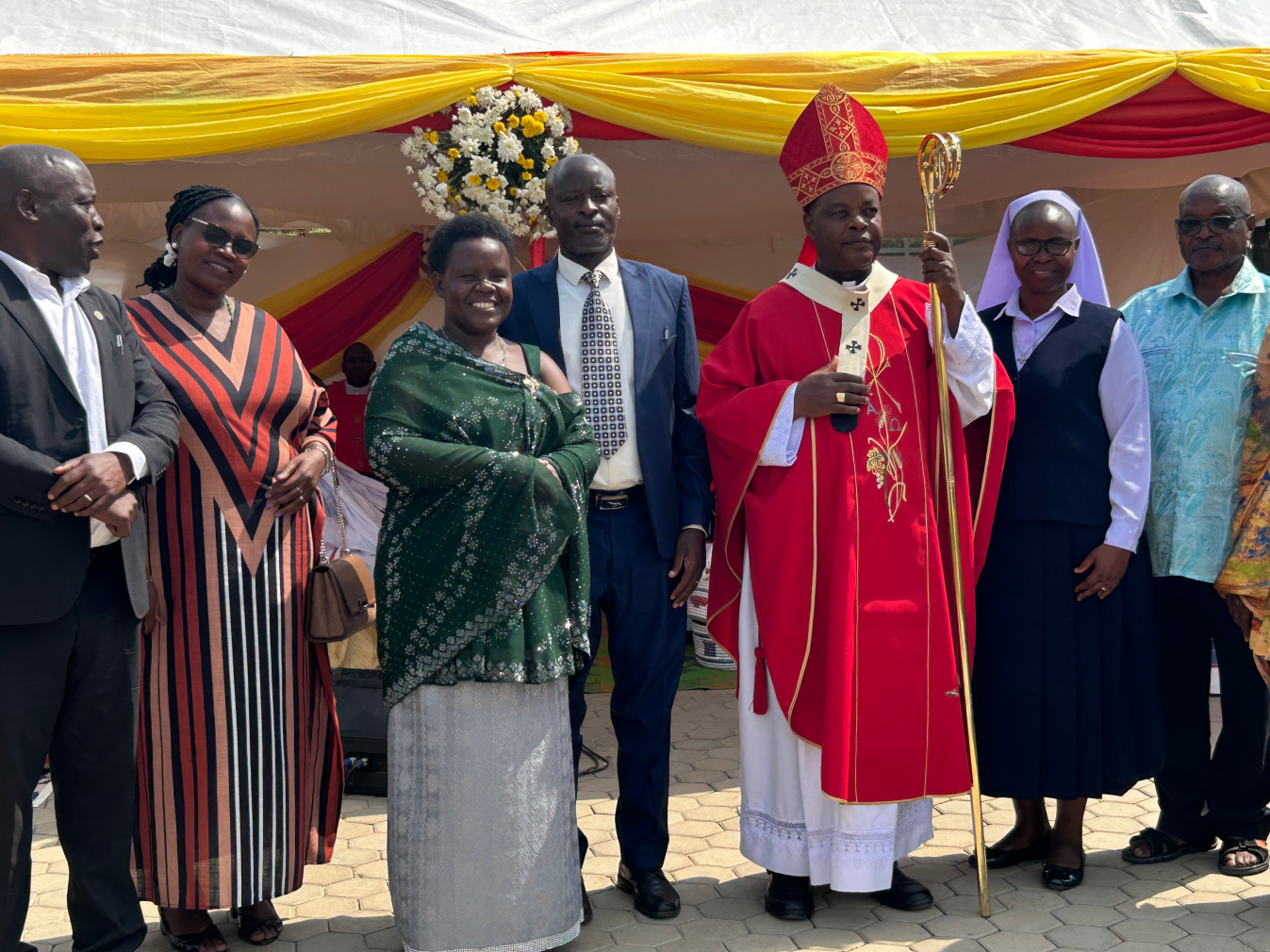
His Grace Lambert Bainomugisha with the Head teacher Sr. Macklean Ayebare and the management committee of St. Helens Primary School after the confirmation of their pupils the school.
The Sacrament of Confirmation marks a turning point for the 80 pupils. They are now called to be active witnesses of their catholic faith at home, at school, and in society. The Archbishop told them that “even young children can evangelize old people,” encouraging them to live by practicing Catholic values learned at St. Helen’s. The confirmation strengthens their role as moral leaders among peers, with the gifts of the Holy Spirit as a “spiritual tool” for making right choices, standing against peer pressure, and serving others. For pupils with visual impairment, the sacrament affirms their equal dignity and mission in the catholic Church. School Legacy and Celebration Founded in 1928, St. Helen’s Primary School has grown on strong moral and Christian values. The Sisters of Our Lady of Good Counsel continue to lead in educating the girl child and vulnerable children with visual impairment. In celebrating their Feast Day, they celebrate and honor the school’s academic excellence and co-curricular success, drawing many old girls back to their roots St. Helens. Voices from the Celebration Sharing a personal story, Archbishop Bainomugisha recalled being in Primary Six in 1976 when he wrote his father a letter in a “special language” only they understood, asking for an application to join seminary. He used the story to show how children can take initiative in faith.
His Grace Lambert Bainomugisha with the old girls and old boys of St. Helens primary school at the school at Nyamitanga. Hon. Kalisa, MP for Ibanda and an old girl, thanked the Catholic Church and the Sisters for instilling values that shaped her. She recounted how her father rode her from Ibanda each term and how she learned discipline despite rarely being visited. She urged current pupils to “be disciplined and concentrate on their education first.”The headteacher thanked Archbishop Bainomugisha, clergy, PTA, staff, and parents for supporting the pupils’ faith and education.
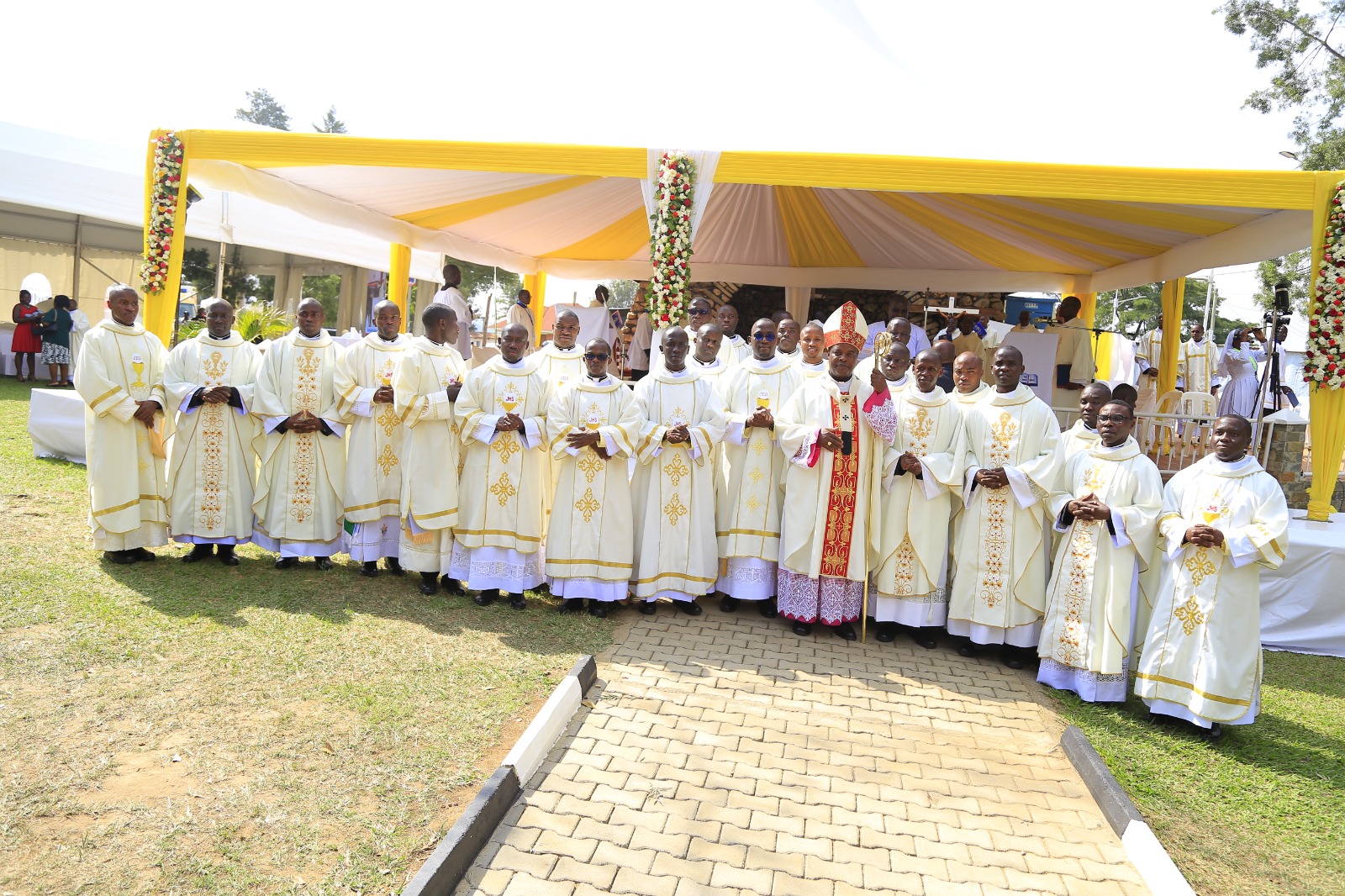
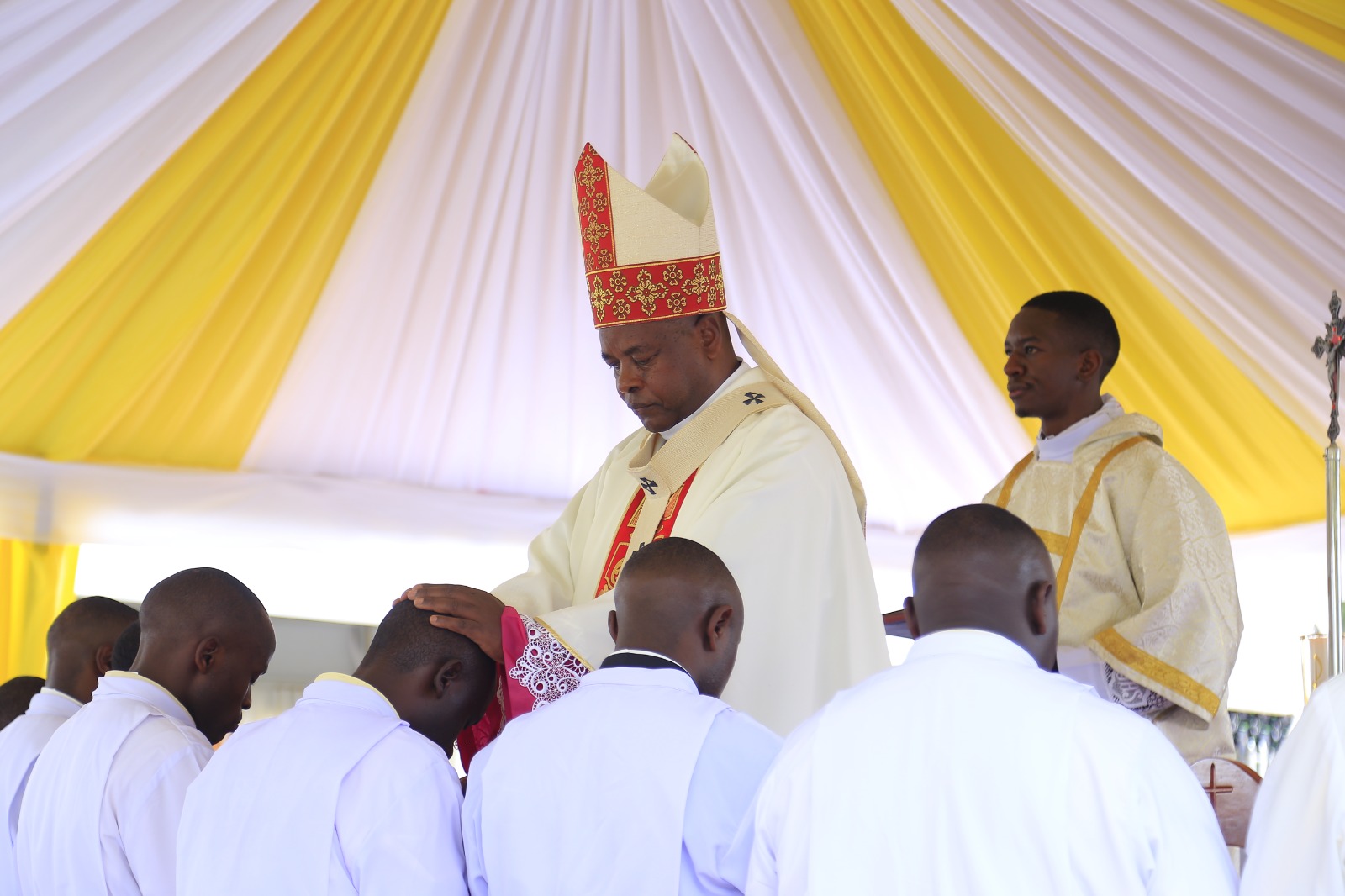 The Archdiocese of Mbarara celebrated a joyful Priestly and Diaconate Ordination at Nyamitanga Cathedral on 8 August 2026, presided over by His Grace Lambert Bainomugisha, the Archbishop of Mbarara.
During the celebration, 8 deacons were ordained to the priesthood and 16 candidates were ordained deacons. The ceremony brought together clergy, religious, families, friends, and faithful from across the Archdiocese.
The Archdiocese gives thanks to God for the gift of these new ministers and congratulates the newly ordained priests and deacons. May the Lord strengthen them in faithful and humble service to His Church and His people.
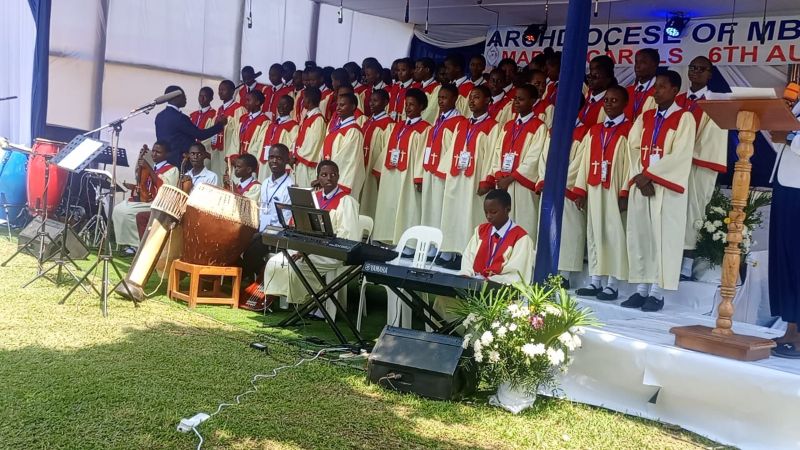
Nyamitanga Cathedral, Archdiocese of Mbarara was filled with prayer, joy, and beautiful sacred music during the Marian Carols 2026, an inspiring celebration in honour of the Blessed Virgin Mary.
The event brought together choirs from different parishes, schools, and music groups across the Archdiocese and beyond. Through hymns and Marian songs, the participants expressed their devotion to the Mother of God while inspiring the faithful to deepen their love for Christ through Mary.
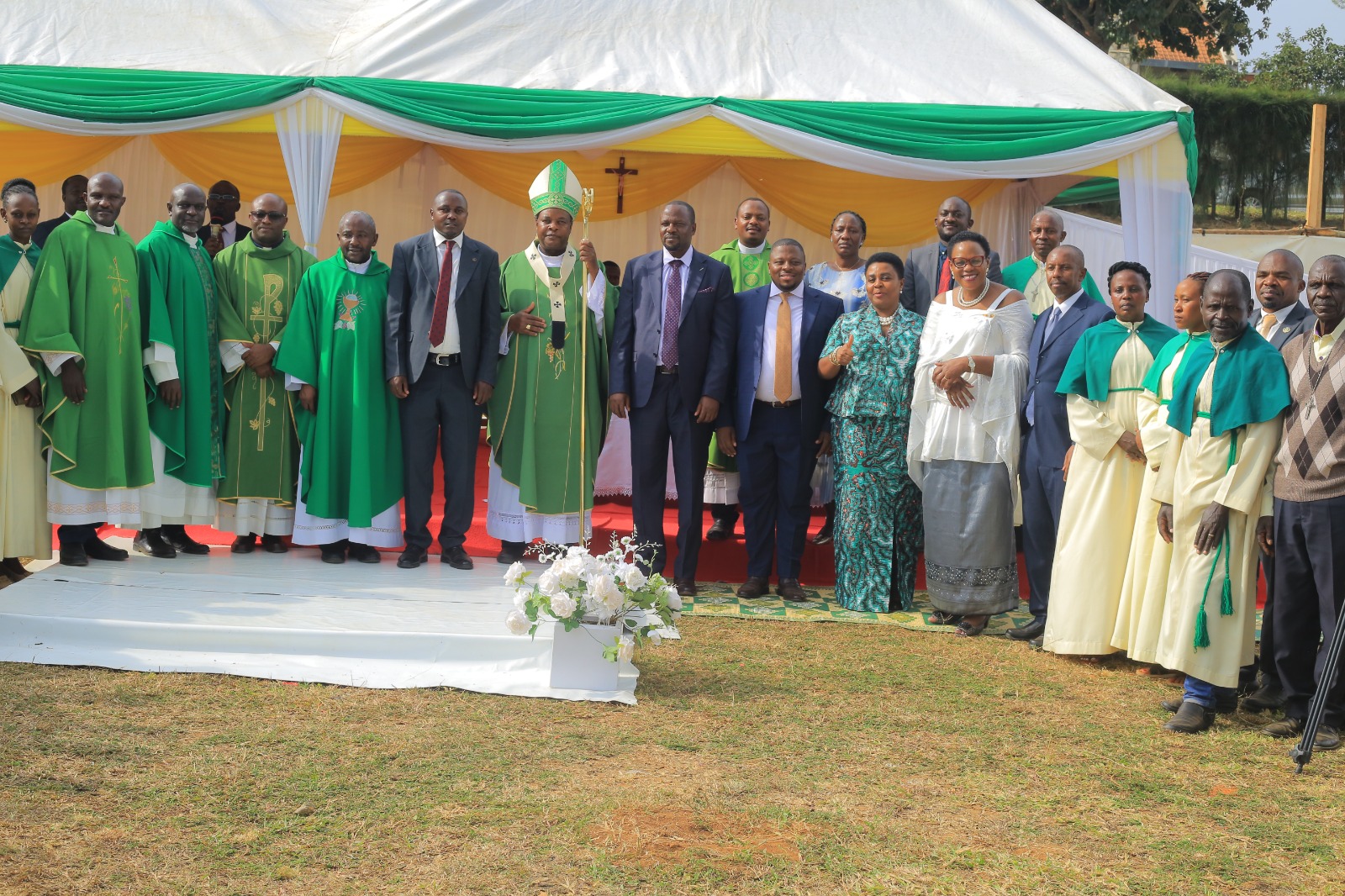
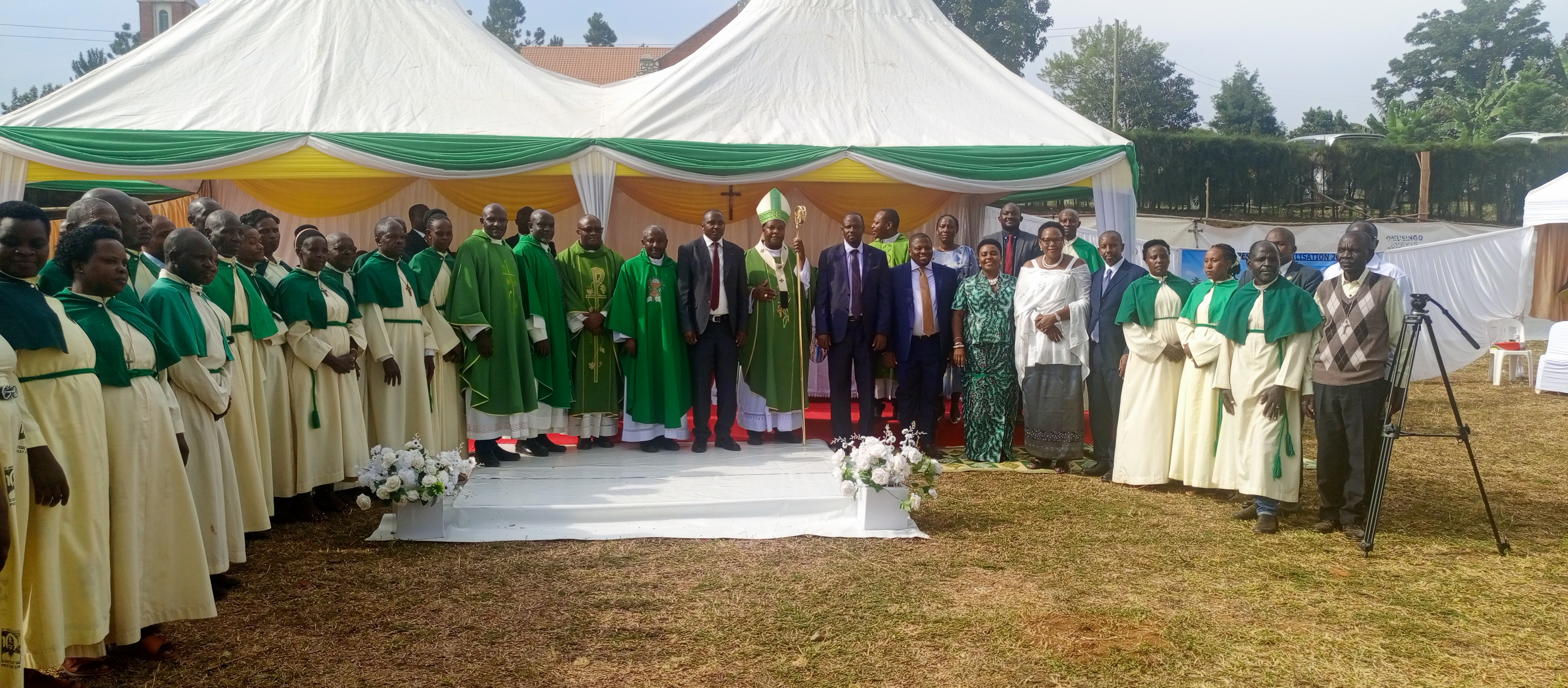
The Archbishop today visited Bushenyi for AMDEF campaign, District hosted at Kitabi Parish an initiative that supports the Diocese's pastoral mission and sustainable development.
The event brought together the faithful from the district's five parishes Kitabi, St. Kagwa, Bitooma, Kyamuhunga, and Buhimba along with people from other religious denominations and faith communities, demonstrating a shared commitment to the growth and development of the Diocese.
During the fundraising campaign, the district raised over UGX 300 million in support of AMDEF. The generous contribution reflects the community's dedication to strengthening the Diocese's capacity to carry out evangelization, pastoral ministry, education, healthcare, and other development initiatives in service of the people of God.
The Archbishop expressed his heartfelt gratitude to everyone who contributed to the success of the campaign, commending the unity, generosity, and spirit of collaboration shown by all participants. He encouraged the faithful and all well-wishers to continue supporting AMDEF as a means of building a self-sustaining Diocese that effectively responds to the spiritual and social needs of the community.
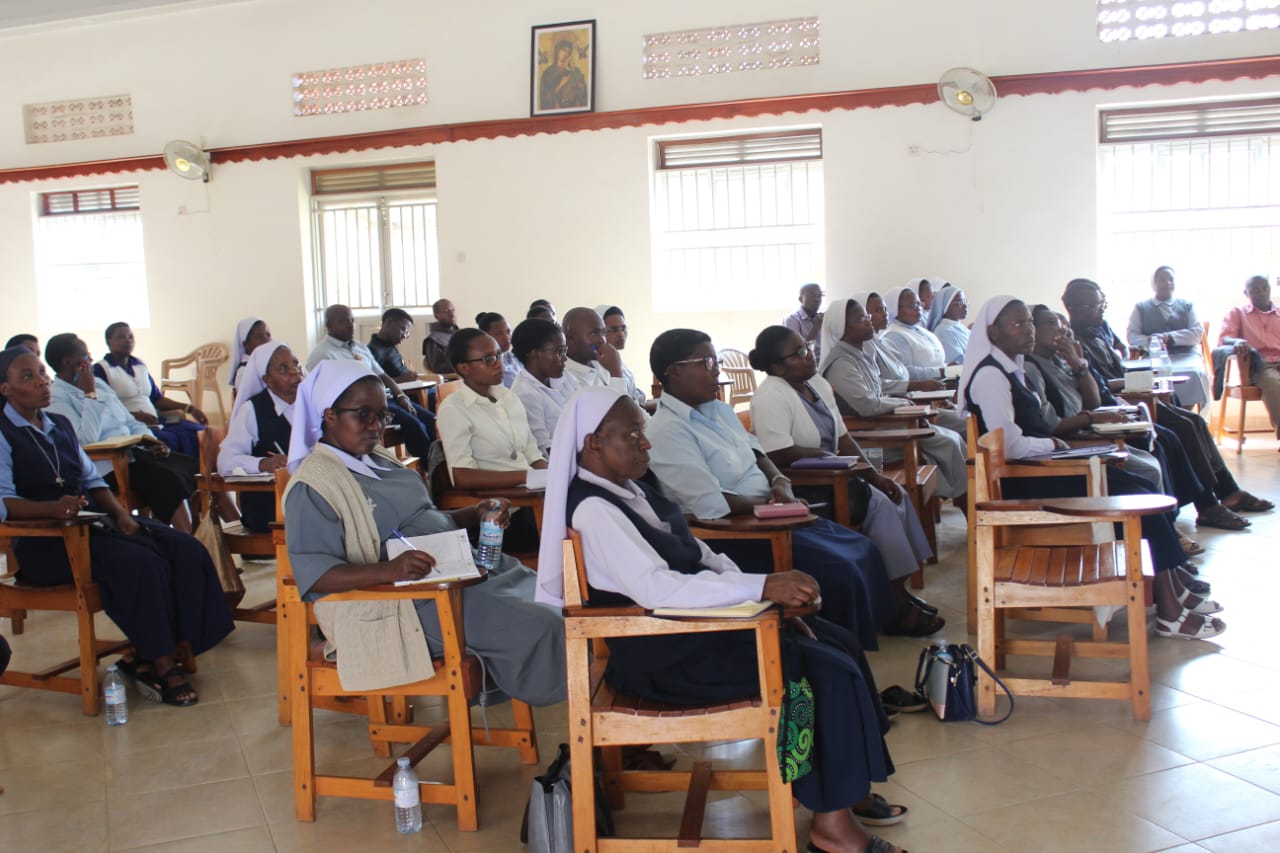
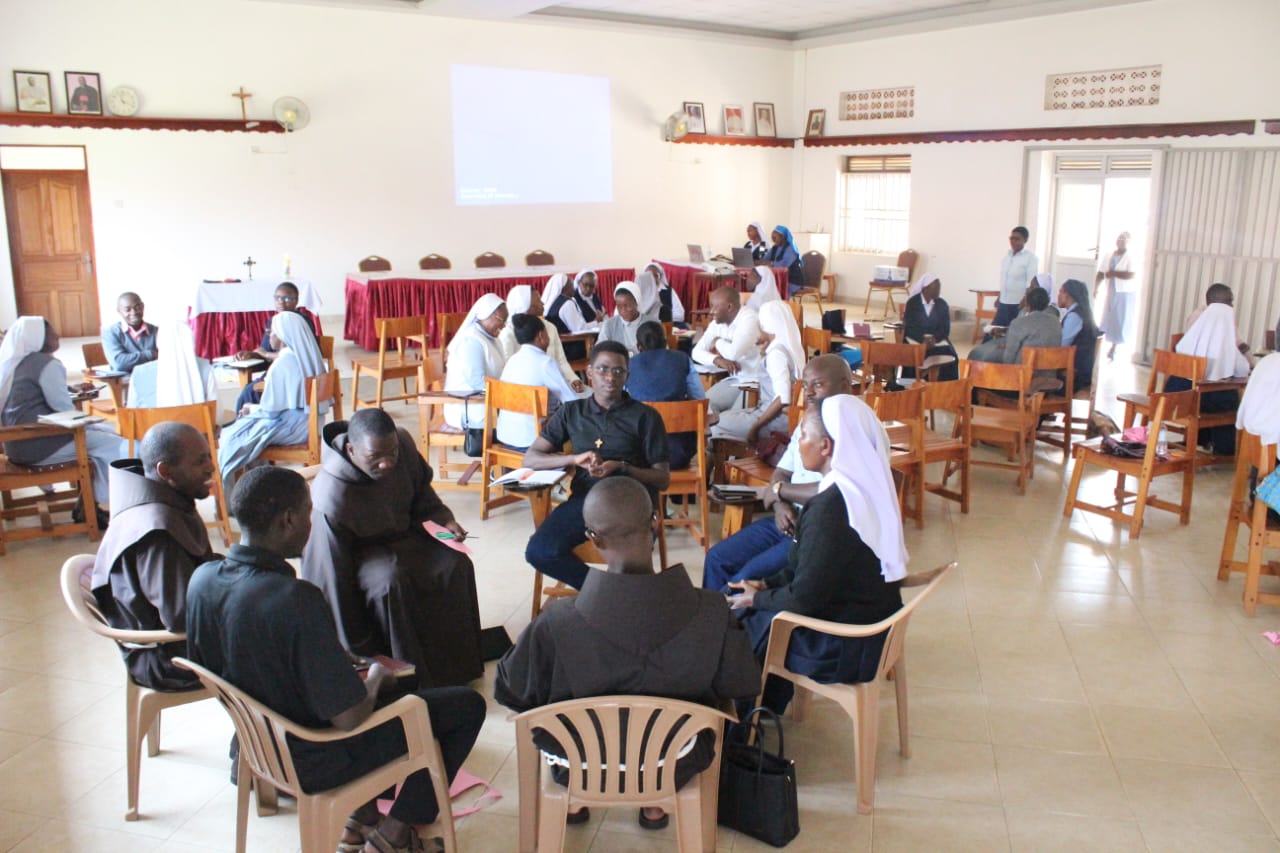
The Religious Brothers and Sisters of the Diocese gathered today for a one-day workshop on Synodality in Religious Life, aimed at deepening their understanding of the Church's call to journey together in faith, mission, and service.
The workshop provided an opportunity for participants to reflect on the meaning and practice of synodality within consecrated life, emphasizing the importance of communion, participation, discernment, and shared responsibility in the life and mission of the Church.
Through presentations, discussions, and moments of prayer, participants explored practical ways of fostering collaborative leadership, attentive listening, mutual respect, and active participation within their religious communities and apostolic ministries. The sessions also encouraged religious men and women to strengthen their commitment to walking together with the People of God while responding faithfully to the pastoral needs of today's world.
The workshop reaffirmed that synodality is not simply a method of working but a way of being Church one that invites every member to listen to the Holy Spirit and to one another in building communities marked by unity, fraternity, and missionary zeal.
The Diocese expresses its gratitude to all the facilitators, organizers, and participants whose commitment contributed to the success of the workshop. May the fruits of this formation continue to inspire Religious Brothers and Sisters to witness the Gospel with renewed dedication, fostering communities of hope, service, and authentic communion.